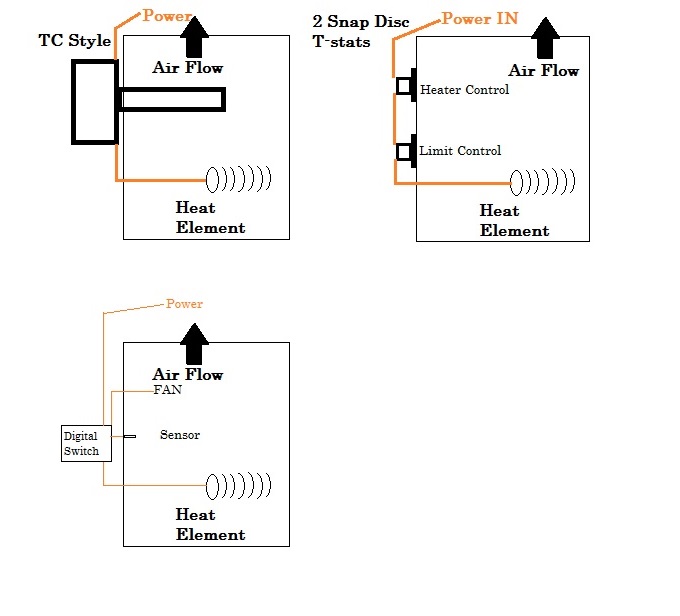
Boilers and water heaters use several types of temperature controls to regulate water temperature and prevent overheating. Depending on the system design, manufacturers may use capillary thermostats, electronic temperature controls, or snap disc limit switches. Each serves a different purpose within the heating system, from temperature regulation to high-limit protection.
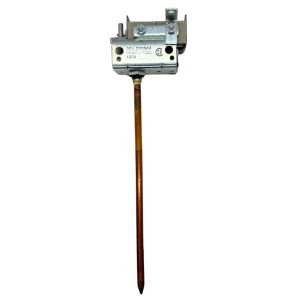 Bulb and Capillary Thermostats
Bulb and capillary thermostats provide operating temperature or limit control in many water heaters and boiler systems. A sensing bulb installed in the water or inside a thermowell detects temperature changes and transfers pressure through a liquid-filled capillary assembly.
As the water temperature rises or falls, the thermostat cycles heating elements or burners to maintain the desired setpoint. Manufacturers can choose fixed-temperature or adjustable-temperature configurations based on system requirements. As a result, capillary thermostats remain a practical solution for a wide range of heating applications.
For additional information, see our article on capillary thermostats in water heaters.
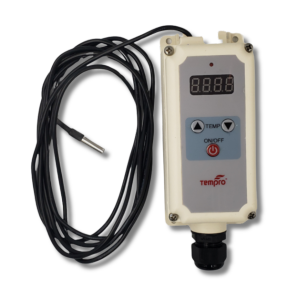 Electronic Temperature Controls
Electronic temperature controls monitor water temperature with an NTC sensor and regulate heating equipment through a digital controller. Installers typically place the sensor inside a thermowell where it continuously measures water temperature and communicates with the controller.
Electronic controls offer tighter temperature regulation than many mechanical alternatives. Additionally, they provide adjustable differentials, digital displays, and broad operating temperature ranges. Manufacturers often select these controls for boilers, including outdoor wood boilers, because they offer precise setpoint management. NEMA 4X models also withstand moisture and harsh outdoor conditions.
Learn more about electronic boiler temperature controls.
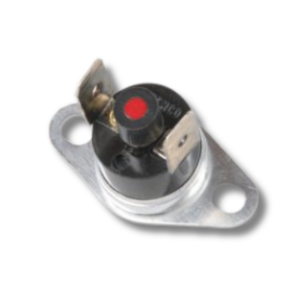 Snap Disc Temperature Limit Switches
While operating controls regulate normal water temperature, snap disc limit switches provide high-limit safety protection. These switches monitor temperature conditions and open the electrical circuit when temperatures exceed a predetermined limit.
Many water heaters use manual reset limit switches. Once the switch trips, the heater remains off until someone manually resets the device. Therefore, maintenance personnel can identify and correct the source of the overheating condition before returning the equipment to service.
Manufacturers frequently use snap disc limit switches to protect against blocked vents, control failures, and other abnormal operating conditions.
Read more about water heater temperature limit switches.
Boiler and water heater temperature controls often combine operating controls with high-limit safety devices. Capillary thermostats regulate water temperature, electronic controls manage precise setpoints, and snap disc limit switches provide over-temperature protection. Together, these products support safe and consistent system operation across a wide range of heating equipment.
If you need assistance selecting the right temperature control for your application, contact Senasys for OEM pricing, product recommendations, or engineering support.